Part I: Investigate Your Audience
Written by ronnoc213
Puzzles Can be Hard
You're stuck, back in 1998, playing The Legend of Zelda: Ocarina of Time, in the water temple. One of the hardest puzzles in video game history. Well, someone created that puzzle, the programmer. They have to be able to understand their audience, which usually involves sitting in their place. To do this, most developers will play games to help them both understand the composition and the people who play the games. Lots of people struggle with the logic and solving behind puzzles and mysteries within games.
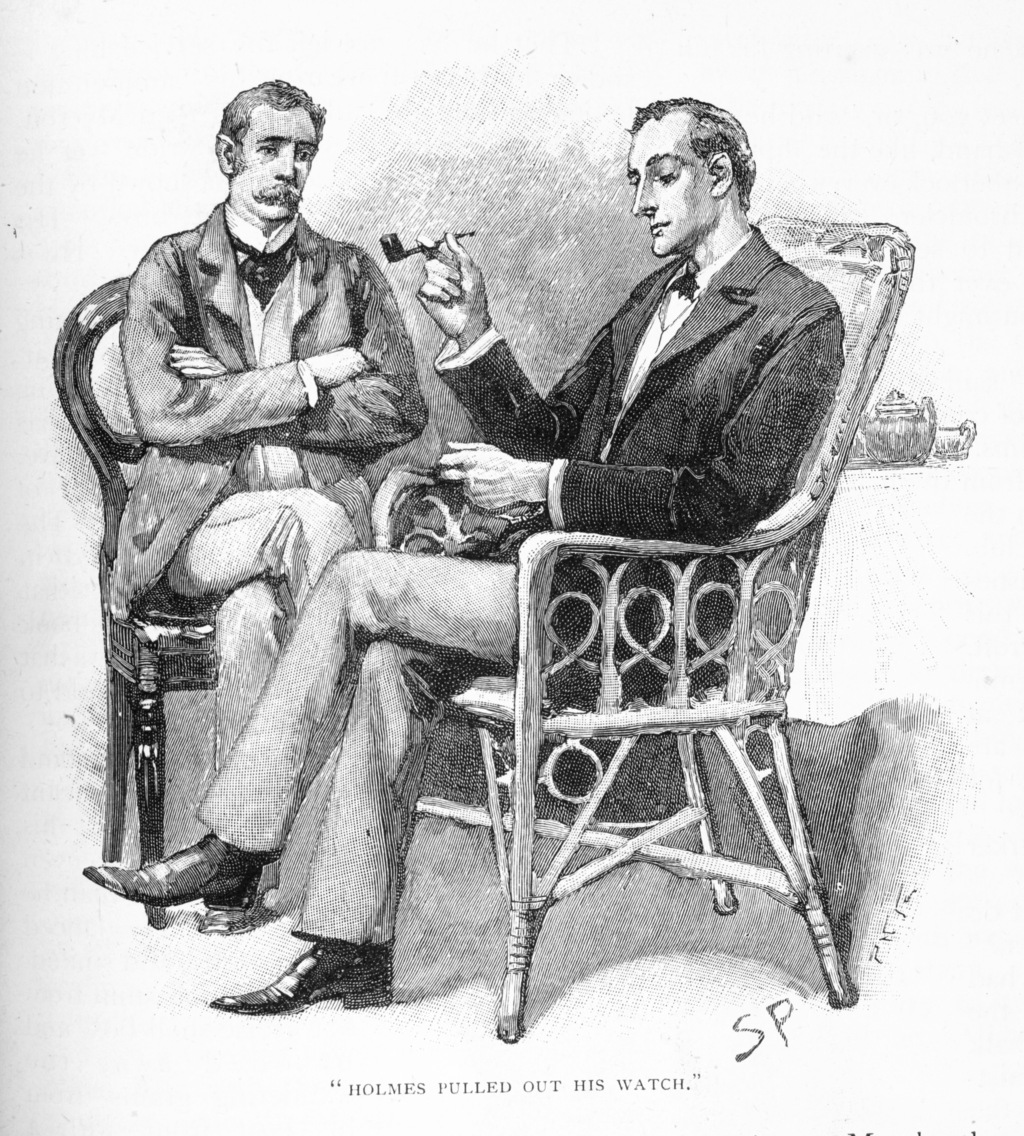
Think back, have you ever been stuck on a puzzle in a game where you had to give up and look up how to solve it? Well, for the most part, that just means you need to learn to use and refine your mystery-solving skills, something that reading classics, especially Sherlock Holmes, can help you solve. Now, a lot of people may have an aversion to reading "old" books that seem boring or slow. While that may be true for some books, there are mystery books that are engaging and interesting to read, and they help develop the skills essential to the most engrossing gaming experience.
Learn to Observe
The gap between a player and a puzzle often stems from a lack of active observation. In modern gaming, we are frequently led by waypoints and glowing objective markers. When those are removed, as they often are in mystery games, the player feels abandoned. This is where the detective mindset becomes an advantage. Reading Sherlock Holmes isn’t just about enjoying the classic stories; it is important in filtering signals from unimportant noise.
An excellent Sherlock story to read would be The Copper Beeches, in which Sherlock establishes the fundamentals behind solving problems and puzzles. It is written: "Data! Data! data!" he cried impatiently. "I can't make bricks without clay."(Doyle, 1892). Sherlock is exclaiming that the basis of thinking through anything is getting the materials. When you walk into a room with a puzzle, take note of everything, no matter how insignificant. When looking at your audience, no matter what type of game you make, you must consider every preference and opinion, leaving nothing out.
Remember the Clay
This "clay" is not only an essential thing for a gamer, but for the programmer as well. If the developer fails to provide correct information, like a slight change in texture on movable objects or a subtle change in the color of water, the puzzle becomes less of a challenge and more of a frustration. The data, or clay, as sherlock put it, is the communication the developer portrays to the person playing. Just as Sherlock has to be able to notice mud on someone's shoe or floor to solve mysteries, players need to be able to see things to anticipate traps or answers.
Veterans Observe
By reading Sherlock Holmes, you train yourself to stop just looking, it makes you see. When gamers encounter the aforementioned water temple, they see the simple stuff. The player who has immersed themselves in the mysteries not only sees, they observe. The geometry, the discolorations, the slight edges signalling hidden doors. They treat the game as though they were collecting evidence, not just observing a sequence of events.
About Me
I am a Junior in high school and a potential engineer. As part of my pursuit towards this goal, I've had to learn to create things, both physically and digitally. I spend large amounts of my free time researching projects and creating things. If you want to learn more about me, go to my Instagram at @ronnoc213546.